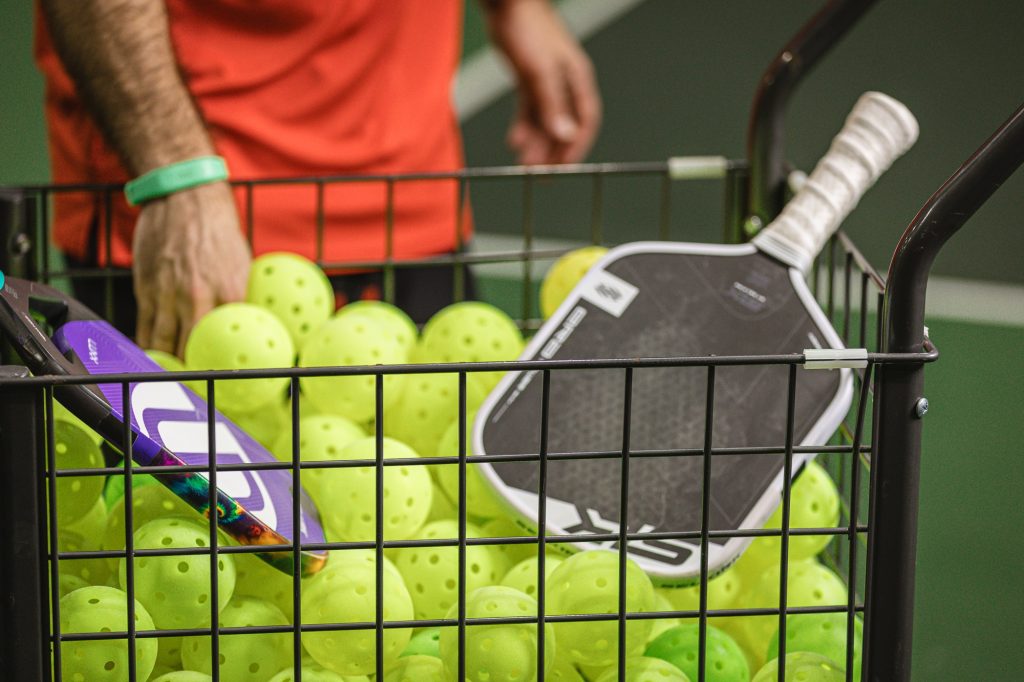
Pickleball is booming — especially for players in their 50s, 60s, and 70s. Courts are packed, tournaments are full, and more people than ever are discovering how fun and social the game can be. It’s the fastest-growing sport in America, and for good reason: it’s competitive, easy to learn, and keeps you active without the grind of tennis.
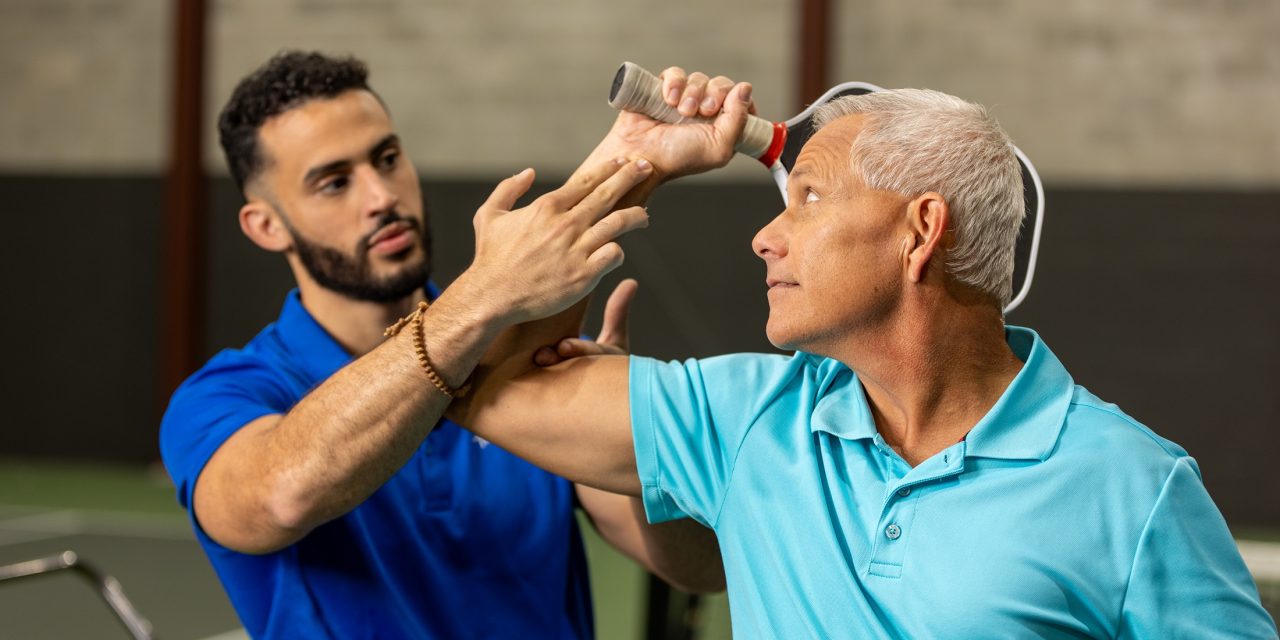
But alongside its popularity comes a downside: shoulder pain. More and more players are being sidelined by what’s becoming known as “Pickleball Shoulder” — the sport’s version of tennis elbow. It’s not a medical diagnosis, but it’s a very real problem.
If you’ve ever felt soreness after a long weekend of games, or a sharp pinch when you reach overhead for a smash, you’re not alone. The good news? Shoulder pain isn’t just “part of getting older.” There’s a clear reason it happens — and even better, there are ways to fix it.
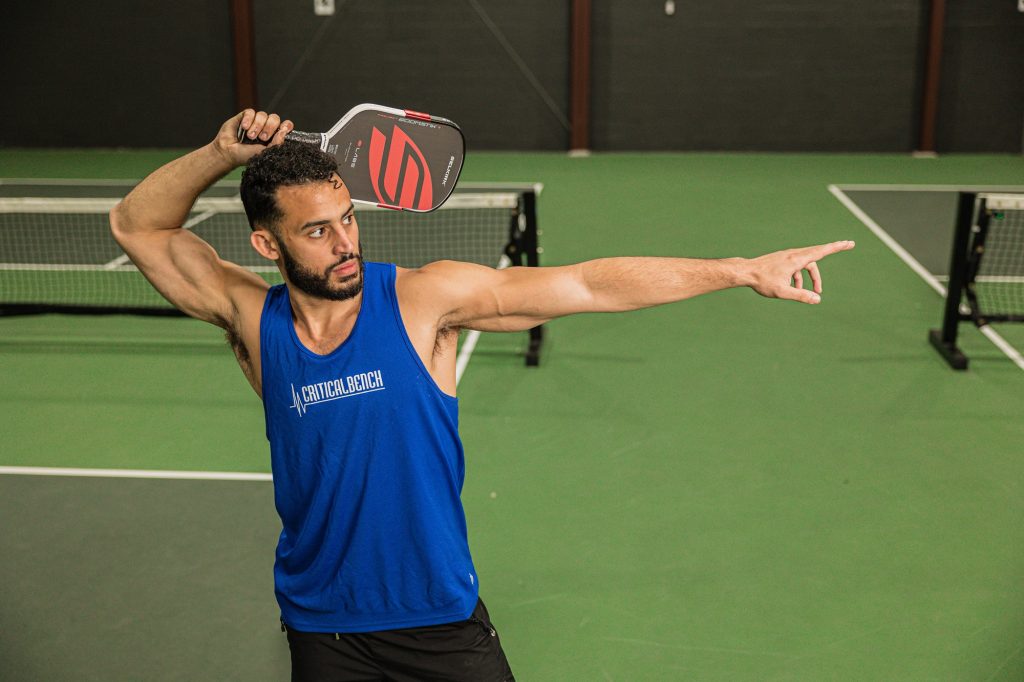
Why Pickleball Targets the Shoulder
On the surface, pickleball looks easier on the body than tennis: a smaller court, a lighter paddle, and a plastic ball. But looks can be deceiving. The game’s unique mechanics put the shoulder under constant stress, especially for players over 50.
Here’s why:
- Smaller Court = Faster Pace
The condensed court means constant volleys and lightning-fast reactions. Unlike tennis, where long rallies often involve groundstrokes and running, pickleball keeps you in tight quarters. That means less downtime for your shoulder between swings — and more repetitive strain.

- Overheads, Volleys, and Smashes
Pickleball rallies often escalate quickly at the net. You’re smashing overheads, blocking volleys, and reacting on instinct. Those explosive, overhead movements load the rotator cuff repeatedly, which is where most over-45 shoulders are already vulnerable. - Age-Related Changes
Shoulders don’t move the same at 55 as they did at 25. Muscle mass declines, joint cartilage wears thinner, and tissues lose elasticity. Recovery slows down. When you stack pickleball’s demands on top of those natural changes, it’s easy to see why pain shows up so quickly.
Bottom line: pickleball is fun, but it’s demanding. And your shoulders pay the price if they’re not prepared.
The True Culprit — Weak and Unprepared Shoulders
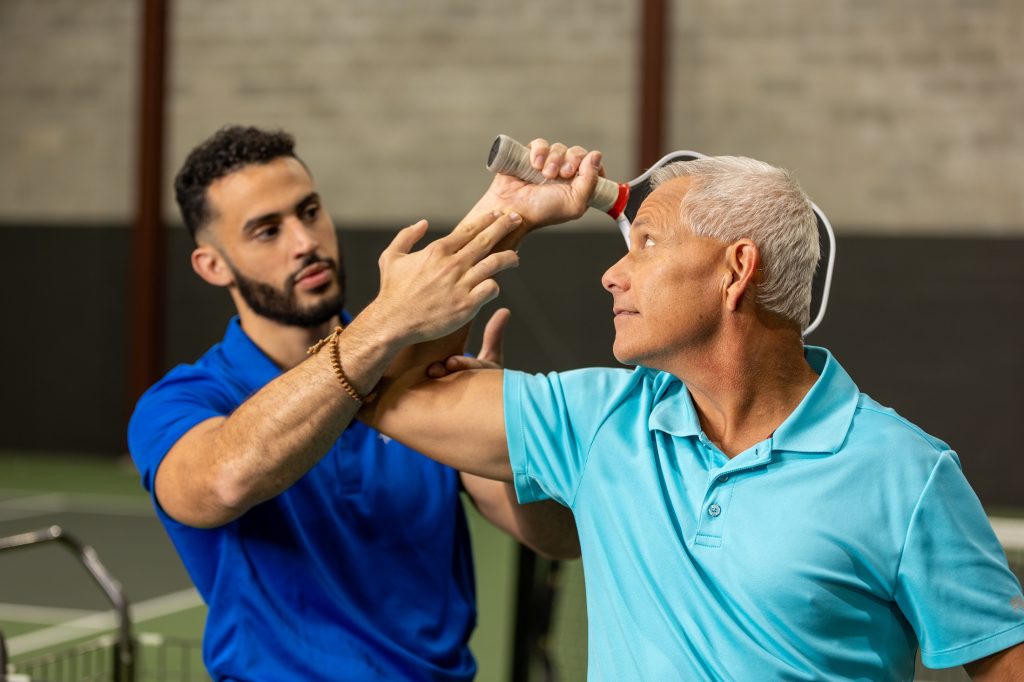
It’s tempting to blame pickleball alone for shoulder pain. But the truth is, the problem usually starts before you step on the court. Most players’ shoulders simply aren’t ready for the demands of the game.
1. Aging Joints and Declining Mobility
As we age, joint fluid decreases, tendons stiffen, and the range of motion narrows. That means your shoulder has less cushion and flexibility than it used to. A movement that once felt smooth now feels restricted — and restriction breeds irritation.
2. Neglected Stabilizers
The shoulder is the most mobile joint in the body, but it’s also the least stable. Its health depends on small stabilizing muscles — especially the rotator cuff and scapular stabilizers — working in harmony. Most people never train these muscles directly, which leaves them weak. When stabilizers can’t do their job, bigger muscles (like the deltoids) take over, creating imbalance and strain.
3. Posture Problems from Modern Life
Sitting at a desk, driving, and looking down at phones for years rounds the shoulders forward and weakens the upper back. This posture alters the way the shoulder joint moves. Then you go to the court and ask your body to serve and smash at full intensity. It’s a recipe for impingement, tendonitis, and pain.
Why Over-50 Shoulders Break Down Faster
If you’re in your 50s, 60s, or 70s, you might wonder why your shoulders seem to “go bad” faster than your knees or hips. Here’s why the shoulder, in particular, breaks down more quickly with age:
- The Shoulder Is Built for Mobility, Not Stability
Unlike the hip, which is a stable ball-and-socket joint, the shoulder sacrifices stability for movement. That trade-off means it relies heavily on soft tissues — and those tissues naturally degrade with age. - Reduced Blood Supply to Tendons
The rotator cuff tendons have limited blood flow, and it decreases with age. Less blood supply means slower healing and recovery. A minor irritation that your body could repair at 25 lingers much longer at 55. - Accumulated Wear and Tear
Many pickleball players are former tennis, racquetball, or golf enthusiasts. That history of overhead motions compounds over time, leaving shoulders more fragile by the time they discover pickleball.
This isn’t meant to discourage you — it’s meant to explain why “Pickleball Shoulder” is so common in this age group. Understanding the why helps you target the solution.
The Top 3 Mistakes That Wreck Pickleball Shoulders
Beyond aging, there are habits that almost guarantee shoulder pain if you don’t address them:
- Skipping Warm-Ups
Going straight from the parking lot to the court is like revving a cold engine. It shocks the shoulder and sets you up for strain. - Relying on Static Stretches Alone
Arm-across-the-chest stretches feel nice, but they don’t activate stabilizers or prepare your joint for dynamic play. - Powering Through Pain
Too many players shrug off soreness as “normal.” But ignoring pain only escalates it into bigger injuries like tendonitis, tears, or frozen shoulder.
Avoiding these mistakes is the first step toward staying pain-free.
The Good News — You Can Fix It
Here’s the part most players miss: shoulder pain doesn’t mean your best pickleball days are behind you. With the right prep, you can restore mobility, activate stabilizers, and keep your shoulders strong for years to come.
The key is dynamic, flowing movements that combine mobility, stability, and coordination. Unlike static stretches or isolated band drills, these movements train your shoulders the way they actually work on the court: in fluid, multi-directional patterns.
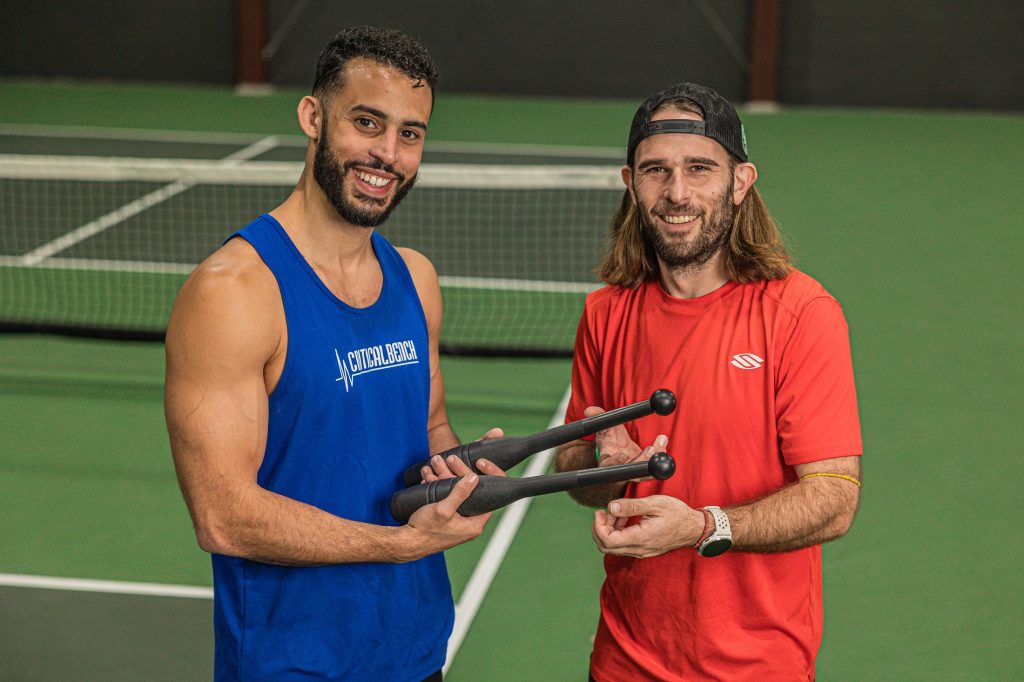
That’s why tools like Indian clubs — once used by warriors to bulletproof their shoulders — are making a comeback. They target mobility, stability, and endurance at the same time. Just a few minutes of the right drills before you play can mean the difference between aching shoulders and confident swings.
FAQs: Pickleball Shoulder Pain
Q: Should I play through shoulder soreness?
A: Light soreness that fades within 24 hours can be normal. But if pain lingers more than 48 hours, or sharp pain hits during overheads, it’s a red flag. Stop and address it.
Q: What’s the best paddle for shoulder health?
A: Lighter paddles can reduce stress, but equipment alone won’t fix the problem. A strong, mobile shoulder is the best “gear” you can invest in.
Q: Do I need to see a doctor, or will exercise fix it?
A: If pain is severe, see a doctor to rule out serious injury. But for most players, consistent shoulder prep and smart training make a huge difference.
Q: How much time should I spend warming up?
A: Even 2–3 minutes of the right drills can prime your shoulders. The key is consistency — before, between, and after games.
Don’t Let Shoulder Pain Sideline You
Pickleball isn’t just a sport — it’s your social life, your community, and your way to stay young and active. Don’t let shoulder pain take that away.
If you’re over 45 and shoulder pain is holding you back, don’t settle for the sidelines. The Ageless Shoulders system gives you a proven 10-minute solution designed to keep players in their 50s, 60s, and 70s strong, mobile, and pain-free.