What is Flexibility?
Flexibility training could possibly be the most misunderstood and perhaps the most undervalued component of wellness and physical conditioning. Ongoing debates really fog up its role in muscle recovery, injury prevention, joint range of motion and athletic performance.
You would probably know what someone is talking about when they talk about being flexible. To you this probably means that they can reach down and touch their toes or get deep into a squat. But the definition of flexibility is so much more complicated than simply being able to do a single stretch.
From climbing up a ladder to changing a light bulb to sitting down on the toilet, being flexible and moving well are super important in our daily lives. Take it one step further for athletes whether it’s a volleyball spike or a rugby drop kick, flexibility of the body’s muscles, tendons and joints plays an integral part in many of life’s movements, regardless if it’s a daily chore or a sports competition.
According to the American Council on Exercise (ACE), flexibility is defined as “the range of motion of a given joint or group of joints or the level of tissue extensibility that a muscle group possesses.”
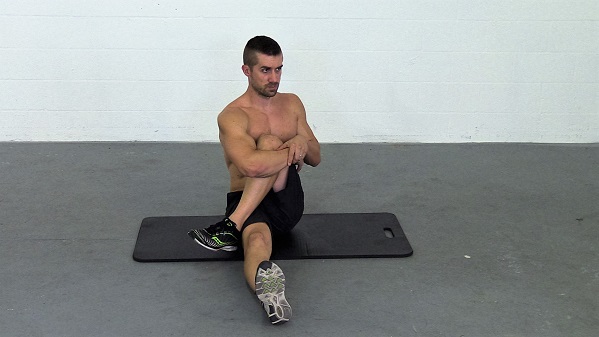
That means that each joint and each group of muscles in your body might have a different range of motion (ROM) or a different level of flexibility. Certain areas of your body may be very tight, meaning that the muscles feel short and stiff.
Some areas of your body may feel very limber and you may be able to lengthen and move those muscles freely. For example, you might be flexible enough to bend over and touch your toes. But your thighs might lack flexibility so it may be harder for you to stand up straight or bend backwards.
One way to think of muscles and tendons is to compare them with rubber bands. When we are young, muscles and tendons have natural elastic properties; children and teenagers frequently do not have chronic pain.
The stretching exercises and activities taught in physical education classes are intended to encourage a lifelong habit of stretching and maintaining flexibility.
Is it Good to be Flexible?
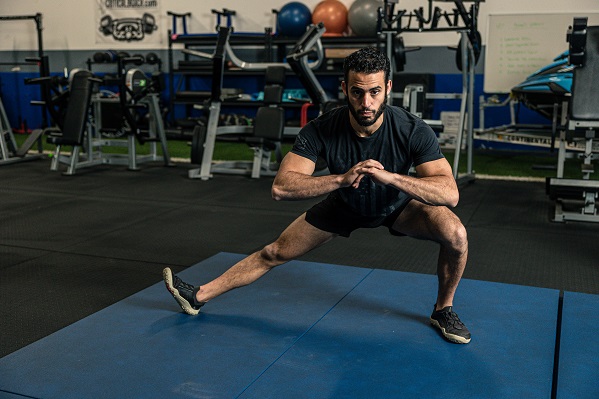
As we get older, our body begins to break down. We lose the elastic properties and in return we lose some flexibility and this can be blamed on a wide range of circumstances.
This loss of elasticity also explains why we get wrinkles on our skin. People who have had poor flexibility all their lives or who do not exercise are especially at risk for developing neck, back or and/or hip pain; inevitably their neglect of stretching catches up with them and adds to the natural aging process.
If someone were to ask you if ‘flexibility’ was a good thing how would you respond? Well I’m sure you would say yes even if you didn’t know the actual truth behind why it’s good.
In short, it is GOOD to have flexibility.
And flexibility can help you with:
» Preventing everyday injuries
» Improving your posture
» Enhancing sports performance
» Feeling more ‘free’ and ‘pliable’
Now flexibility doesn’t just happen by thinking about it. It requires action. And action equals movement.
In order for flexibility to exist, one is required to apply the correct training principles at the correct time. And this is where the perplexing word, stretching, appears.
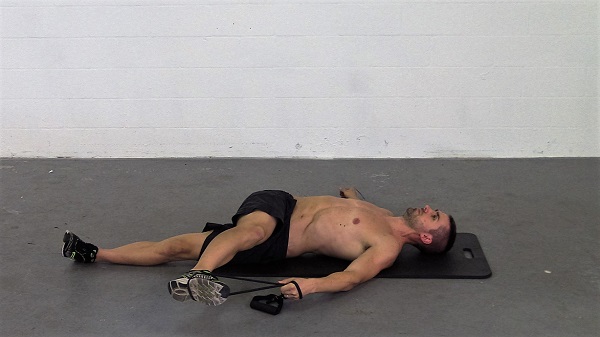
Think about flexibility training (notice I didn’t say stretching) not as an add-on element of your cardio or strength routine, but rather as a distinct aspect of your total conditioning program.
There are three pillars of physical fitness:
» Flexibility
» Cardiovascular Conditioning
» Strength Training
The reason why I used the phrase ‘flexibility training’ instead of stretching was intentional.
Sure, stretching does help with flexibility but I want you to understand that flexibility and stretching are very different. Even though they are mutually exclusive, you most certainly can be flexible without ever stretching a day in your life and being a Strength Coach, I’ve seen plenty of athletes who possess very little flexibility but stretch regularly.
So what’s the deal with stretching?
Types of Stretching & Benefits of Each
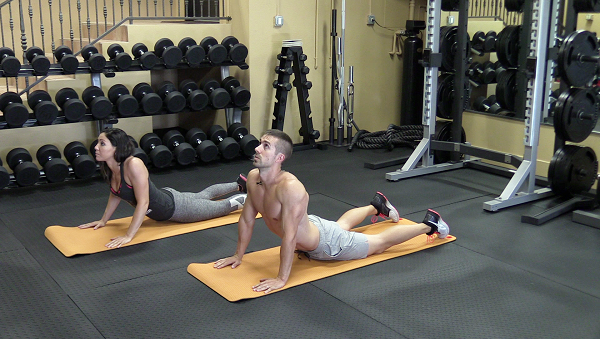
Like I said, the actual definition of stretching is misunderstood, undervalued, and confusing.
Honestly, it’s probably one of the most common questions I get asked about, “When should I stretch?”, “What stretches are good for my back?”, “Is it good to stretch before I run?” and so on.
Just like the other two pillars of physical fitness, each pillar has an extensive list of moving parts.
If you were wanting to improve your leg strength, you’d apply certain training principles to improve your leg strength.
If you wanted to run a faster 5k, you’d apply certain training principles to improve your run speed. The same goes with flexibility. If you want to improve your range of motion in your spine, you’d apply certain training principles to improve your range of motion. You get the picture?
Here is a more detailed breakdown of stretching to help you better understand what I’m talking about:
BALLISTIC STRETCHING: This uses the momentum of the body to force the muscles to stretch beyond the normal range of motion. You will know this as bouncing in the stretch.
Ballistic stretching is effective at increasing range of motion but should only be used with caution particularly if you have suffered from a previous injury in the muscle you are attempting to stretch.
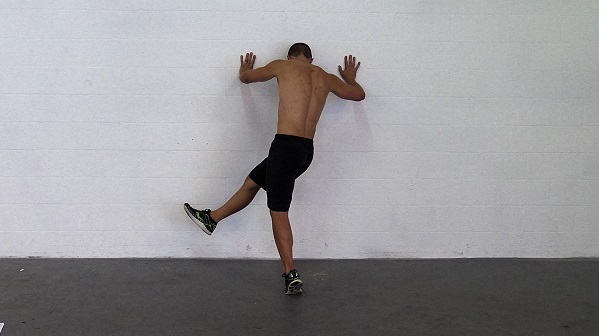
A lot of problems have been identified with using this type of stretching such as it actually causes the muscles to tighten up, and could lead to injury. So this one is not recommended for most people but can be very effective if used appropriately.
An example ballistic stretch is bent over toe touching with a bouncing movement. On each movement, the individual attempts to touch the ground using gravity and bodyweight to assist in the stretch.
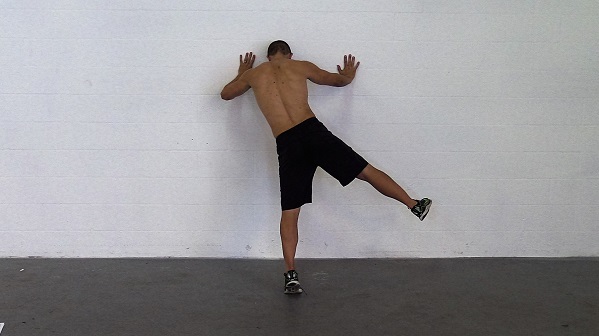
DYNAMIC STRETCHING: While ballistic stretching aims to go beyond the normal range of motion, dynamic stretching stays within your current range, gradually increasing reach and/or speed of movement. It should not be a bounce or a jerk; it should be slow and controlled.
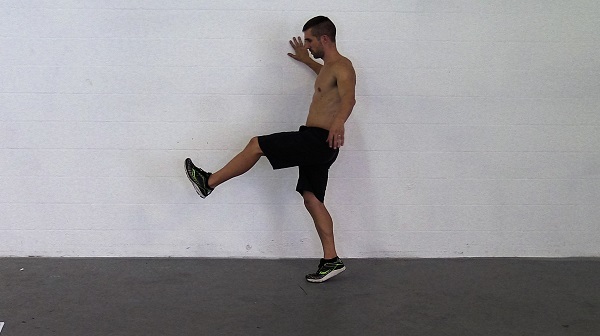
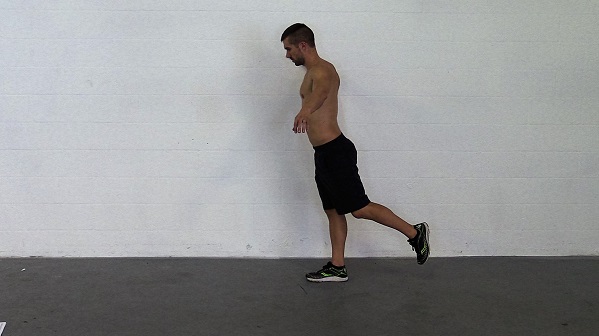
An example of dynamic stretching would be swinging your leg, trying to go a bit higher each time, to warm up your hamstrings and hips before exercise.
ACTIVE STRETCHING: This type of stretching you stretch your muscles by actively contracting the agonist muscle (the opposite muscle of the one you want to stretch), while holding the antagonist in a stretched position, without applying any external force which is the exact different to what happens with passive stretching.
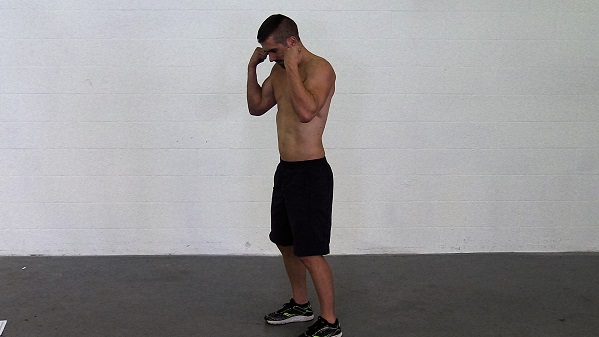
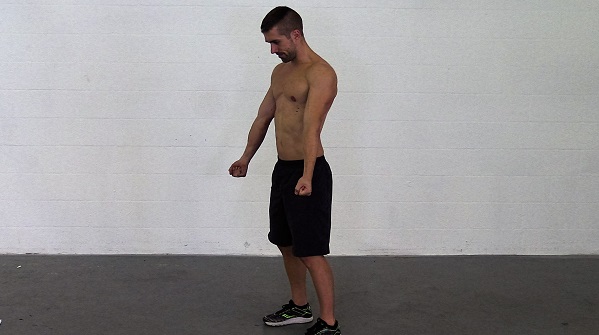
An example of active stretching would be curling and flexing your biceps (agonist) in order to lengthen and stretch your triceps (antagonist). Likewise, if you straighten your arm and flex your triceps, this will help lengthen and stretch the biceps.
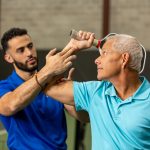
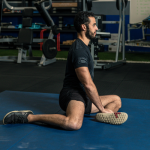
PASSIVE STRETCHING: This is also referred to as relaxed stretching. A passive or static stretch is one where you gradually ease into the stretch position and hold it with some other part of your body, or with the assistance of a partner or some other apparatus.
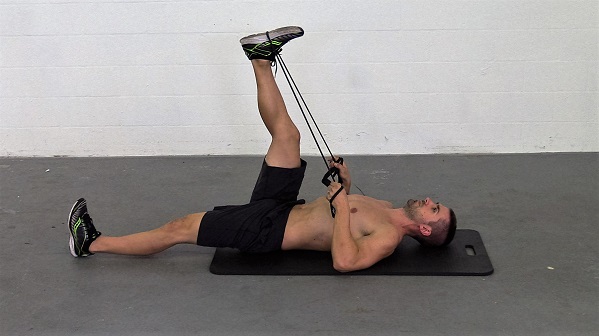
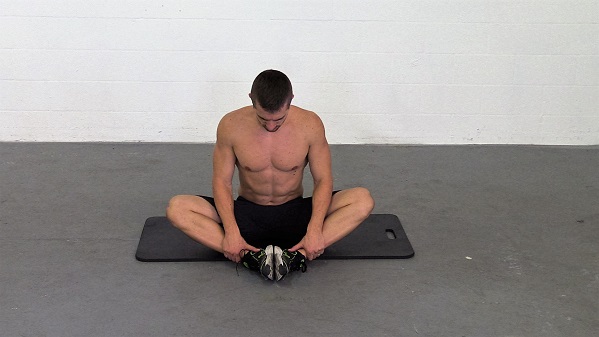
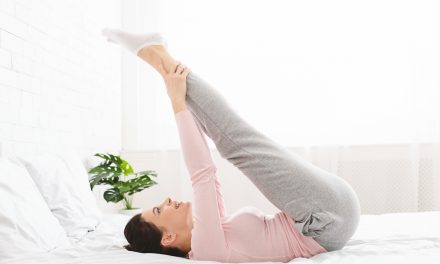
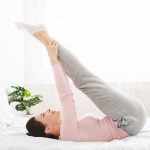
An example of passive stretching would be lying flat on your back with one leg extended on the floor and the other leg extended upward. The leg that is upward is being held in this position by having a rope or a towel pulling the leg or even a partner rather than the opposing muscle doing the work.
STATIC STRETCHING: As the name suggests, static stretching involves holding a muscle at the stretched position for a certain length of time, usually 10-30 seconds. No additional benefit has been shown to extend the stretch for more than 30 seconds.
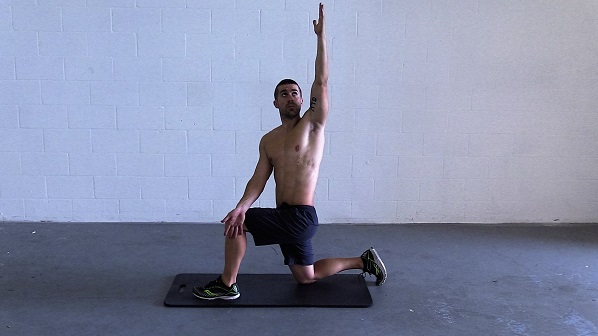
ISOMETRIC STRETCHING: This distinct type of static stretching (that is, involving no motion) aims at increasing someone’s flexibility by executing isometric contractions of the stretched muscles. Like static stretching, isometric stretching does not involve motion.
In addition to the usual benefits of stretching, this particular stretch can add the following extra benefits for the individual:
» It helps in achieving deeper stretches and gaining a wider range of motion
» It promotes muscular strength through muscle activation
» Generally less ‘pain’ is experienced through this stretching technique, at least when compared with other styles.
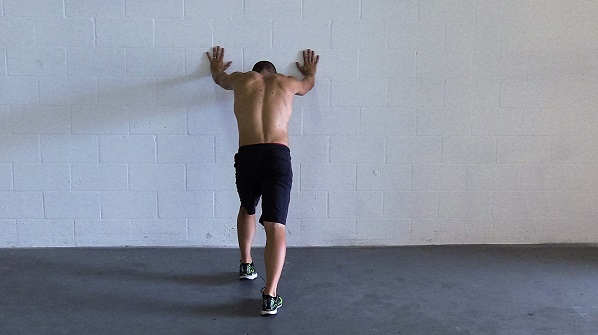
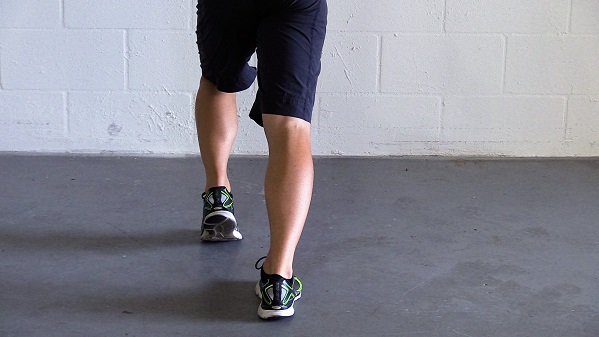
Example: To stretch out the calves assume the lunge position while standing in front of a wall. With arms straight place hands against wall. Keep heels on floor. Move hip forward to fully extend rear leg. Now try to flex your calf while simultaneously pushing against force to keep rear heel on floor.
PROPRIOCEPTIVE NEUROMUSCULAR FACILITATION (PNF): This type of stretching is an advanced form of flexibility training that involves contraction and stretching of muscles. PNF requires the help of a partner or an object.
To perform a PNF stretch, you will alternate between a static stretch-and-hold and an isometric contraction of the muscle being stretched. This stretch technique has been proven to improve active and passive range of motion in nearly all individuals. It has also been shown to help athletes improve performance and make speedy gains in range of motion.
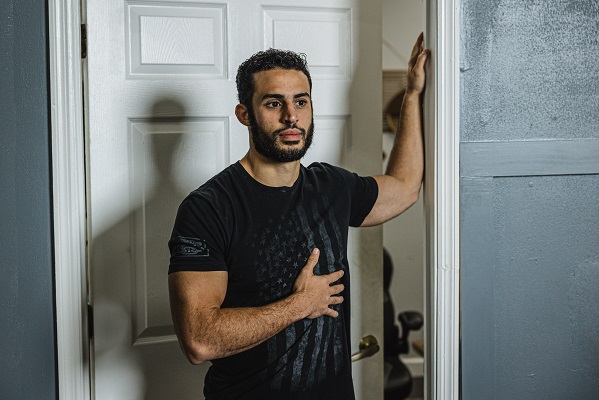
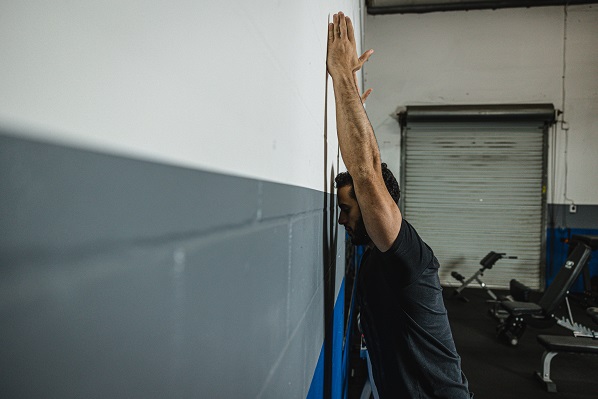
Similar to isometric stretching, PNF can also improve muscular strength. Multiple studies have shown that PNF stretching is superior to traditional static stretching in terms of improving range of motion.
For example, to perform a PNF stretch of the hamstring with a partner: Lie on your back with one leg extended toward the ceiling.
Stretch: Have your partner move your leg into a static stretch by pressing it gently toward your face. Hold the static stretch for 10 seconds.
Contract: Contract the hamstring muscles and push your leg against your partner’s hand while your partner resists the movement. Hold the contraction for about 5-10 seconds.
Stretch: Relax the muscles and allow your partner to carefully move the leg past its normal range of movement. Hold this passive, static stretch for about 20- 30 seconds.
Rest for 30 seconds and then repeat the procedure two to three more times.
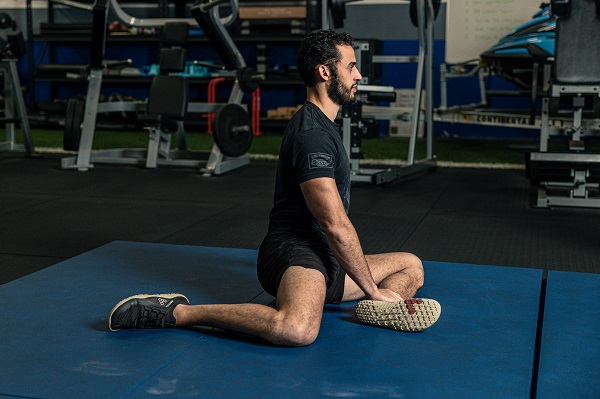
As I just shared with you there are many different types and styles of stretching each with specific purposes and unique benefits. But before you just choose to do a certain technique and expect to improve your flexibility you need to know that stretching COULD make you tighter.
Yes, you read that correctly. Stretching COULD make you tighter and here’s why…
As with anything and everything, too much of one thing can be dangerous if you do it wrong, and stretching is certainly no exception.
There are in fact dozens of studies showing that, under certain circumstances, certain kinds of stretches can increase the chances of certain types of injury in certain activities.
For example, too much static stretching of the primary muscles about to be used immediately before performing dynamic movement can result in increased likelihood of muscle strain due to overrelaxation and temporary lengthening of the muscle fibers.
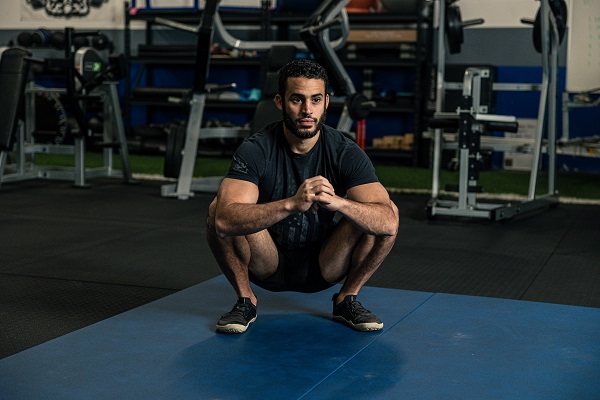
In short, that means that stretching the snot out of a muscle will ‘hyper-loosen’ the muscle, and if you do this before an activity that requires that muscle to contract quickly, it might not be prepared to respond, and you could hurt yourself causing you to become tighter. There are also certain stretches that are contraindicated for people who have various injuries.
Another example (yes, I love examples), if you’ve had a lower back injury, some stretches for the hamstrings and hip flexors could strain that area further and cause pain or exacerbate your injury. And any time an injury occurs in the body, its natural response is to shorten and tighten the surrounding musculature for self-preservation.
The point is yes, stretching can make you worse off than you were before but if you pay close attention to the following points below, you’ll be less susceptible to injury and on your way to improving your flexibility and personal performance.
When to Stretch & When NOT to Stretch
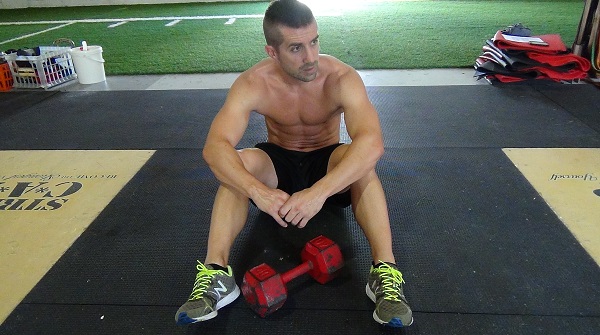
First off I can’t exactly tell YOU what YOU need to do. There are too many variables, such as which joints you should be stretching, how far, how often, and for how long. It also matters what else you are doing to warm up, how flexible you are before stretching, the amount of time between stretching and participating in sports, and which activity you are preparing to undertake after stretching.
These variables need to be sorted out by you and then you are to make an educated decision on which stretching will work best for your exact situation.
However, in general, dynamic stretching (movement related techniques) should come before you train and static stretching (holds and isometric related techniques) after you train. This method is tried and true and is a great way to warm up and cool down properly and safely. Here is a guideline to follow when stretching:
DYNAMIC (BALLISTIC & ACTIVE):
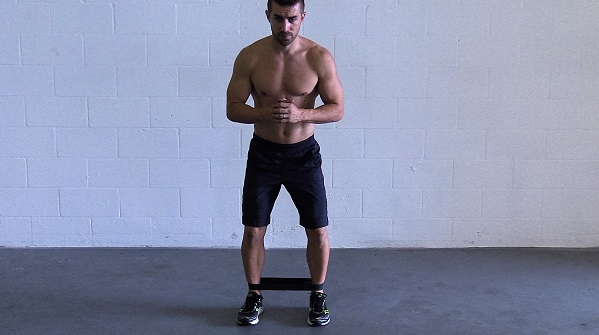
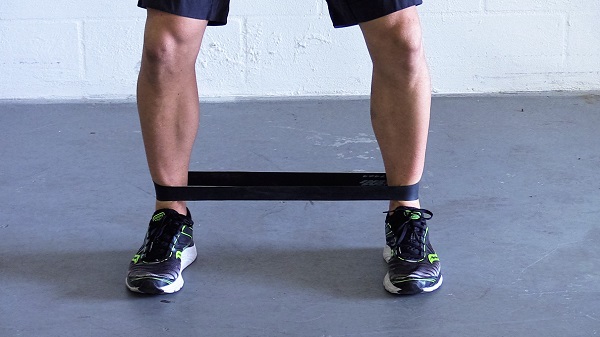
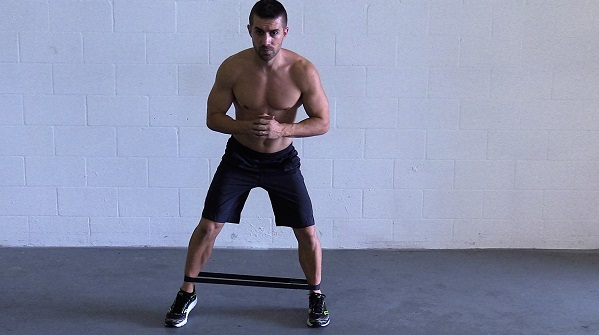
» Before training or competition
» 8-12 minutes of increasing intensity becoming more dynamic
» 3-4 repetitions of movement in circuit form
» Examples but not limited to: brisk walking, jogging, rowing, calisthenics, ladder & hurdle drills, etc.
STATIC (PASSIVE, ISOMETRIC & PNF):
» After training or as a separate session dedicated for stretching
» 5-10 minutes of 15-30 second hold per stretch
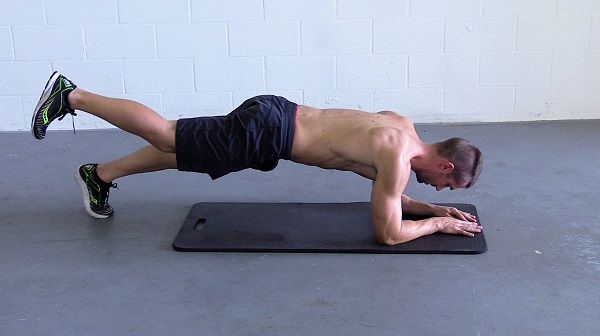
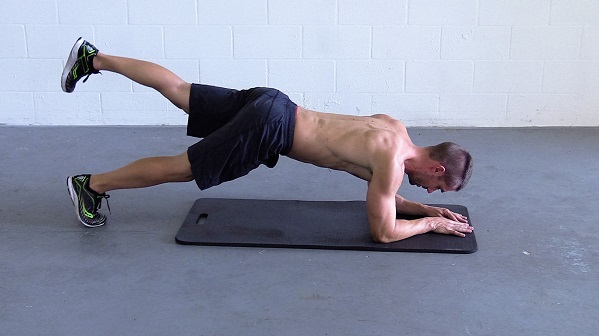
Most researchers and training professionals will agree that not everyone needs to improve their range of motion through flexibility training.
Think about a gymnast that can already stand with her hands flat on the floor without bending her knees. Stretching before training wouldn’t be expected to provide any benefit, and the gymnast would likely be better off doing a longer dynamic warm-up before practicing.
Now if you’re just like one of the many fitness enthusiasts who really do try to do things right but when it comes to their stretching, they come up short. Some may even call it their kryptonite. I don’t know what it is about stretching that turns so many people off but in retrospect it’s such a small percentage of the time spent trying to ‘be healthy’. I’ve heard all of the excuses why people don’t stretch but that’s not what I’m about to touch on, quite the opposite actually.
If you hate to stretch but really need to improve your flexibility, you’re in luck because here are the seven ways to become more flexible without stretching.
Natural Relief for Joint Pain, Stiffness & Mobility Enhancement
7 Ways to Become Flexible Without Stretching
MOBILITY EXERCISES: Though flexibility and mobility might sound similar, they are definitely not interchangeable. Mobility is the ability to move or to be moved freely and easily before being restricted by the surrounding tissue such as tendons, muscle, and ligaments. A good level of mobility allows a person to perform movements without restriction or limitation, while a person with good flexibility may not have the strength, coordination, or balance to execute the same movement.
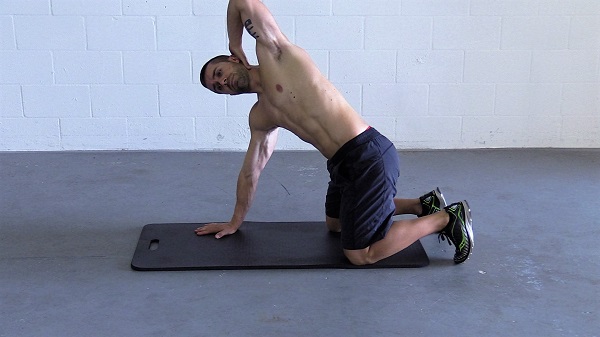
Good flexibility does not always denote good mobility.
Although there are general mobility exercises for certain muscle groups, it is important to realize that the bones, ligaments and tendons of each person function in their own way and randomly choosing a mobility workout might not be suitable for you. It is important to choose the right mobility techniques through your own practice and listen to the body and what it needs.
POSTURAL CORRECTION: Correct posture aligns everything in your body. Bones, muscles, ligaments and tendons are all able to function properly when you’re in proper alignment. A person who slumps over or slouches all day may find that these habits quickly lead to restricted movement and shortened muscles.
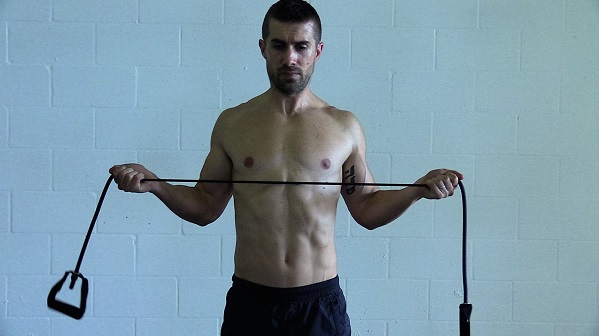
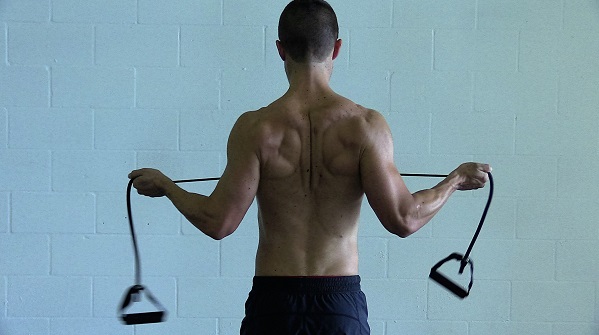
Focusing on how to fix your posture is a great way to start the lengthening process and is relatively easy to perform. The beautiful part of focusing on your posture is that results can be seen quickly. Something as simple as taking a 2-minute walk break every 20 minutes of computer work can do wonders for your hips and hamstrings.
MASSAGE THERAPY: Now who doesn’t love a good massage?! I sure do and it’s not just for the relaxation effect but my muscles feel darn good after. By relaxing stressed muscles and stimulating circulation, this offers your joints a greater range of motion.
With the right type of massage therapy, this can prevent lactic acid from building up in your blood, which then not only helps to enable free movement but also helps you work out longer while decreasing muscle soreness after. Can’t afford to hire a massage therapist? That’s not a problem.
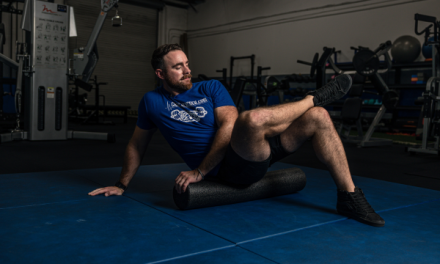
Foam rolling offers a great alternative to this service. It may not be as soothing and relaxing but the benefits are tremendous. Foam rolling elicits a very similar effect as massage and has been known to improve circulation, activate dormant muscle groups, and release tension from overworked muscles. Watching a brief tutorial on how best to foam roll the hips is all it requires and here is a great video to start with:
Hip Flexor Stretches, Exercises, Drills & Warm Up Tips
ACTIVE RELEASE TECHNIQUE (ART): This is a patented soft tissue technique that is very similar to massage therapy but differs in that it specifically treats problems with muscles, tendons, ligaments, fascia (connective tissue), and nerves through having the patient (you) actively moving the affected muscle or ligament while the practitioner presses or compresses the troubled area.
The main benefit of ART is preventing and breaking up dense scar tissue, also called adhesions which can be formed from injury or overuse. Adhesions limit the normal range of motion of joints and muscles because they cause abnormal binding between muscle groups. These adhesions are very tough and are inflexible compared to healthy tissue and are virtually impossible to release by other forms of flexibility training.
This technique has been used with great success for professional and collegiate athletes for the last few decades.
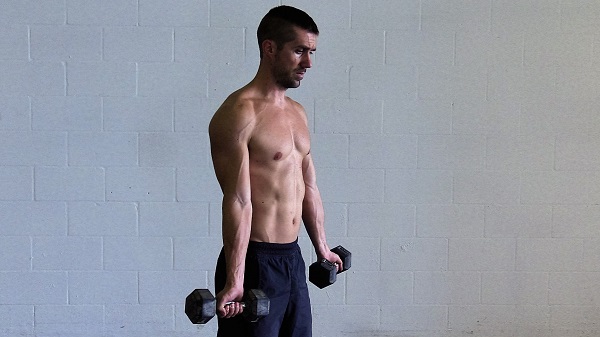
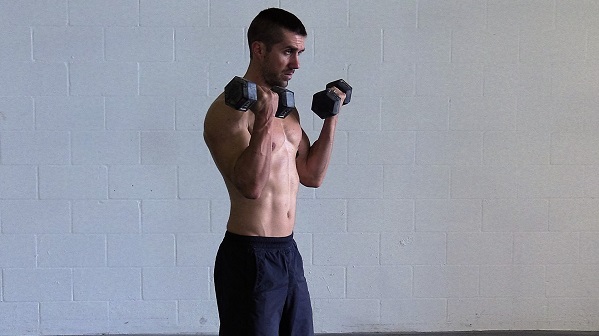
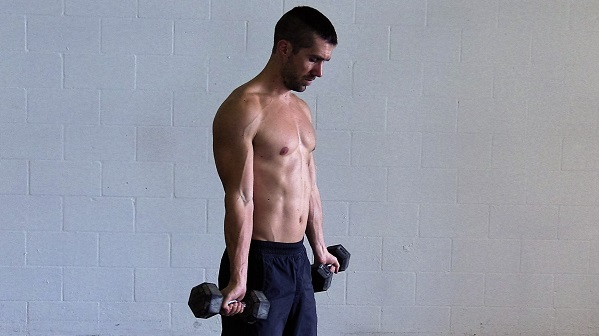
FULL RANGE OF MOTION WITH EXERCISE: Let’s look at the bicep curl for example. If you only train one segment of this particular exercise instead of the whole range of motion, you can only expect your bicep to work efficiently in that specific range that you train. Flexibility can be decreased if you only train in a short range. This is very important for both beginners and recreational fitness enthusiasts to understand.
Many people have very tight hips that make it hard to get into a full squat. If you only practice a partial squat, your hips will tighten even more and it will be harder to improve the technique in the full range of motion. If you force your hips down, you will eventually loosen up your hips and gain more flexibility.
When you are first starting to learn the proper techniques of an exercise it’s only best to learn the full movement pattern. Never sacrifice the full range of motion just to add weight to an exercise or to squeeze out an extra repetition or two. It’s much harder to break a bad habit especially when it comes to poor movement patterns and inadequate mechanics.
NEUROMUSCULAR ACTIVATION EXERCISES: Neuromuscular Activation exercises are designed to enhance or quite possibly form the communication between your neurological system (nerves) and your muscles.
To put it simply: activation exercises turn on the right muscles so that they function optimally when you need them to.
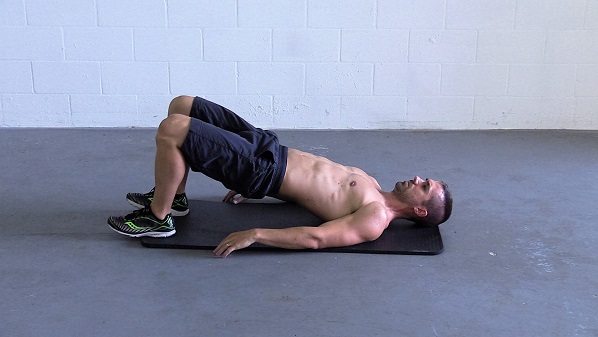
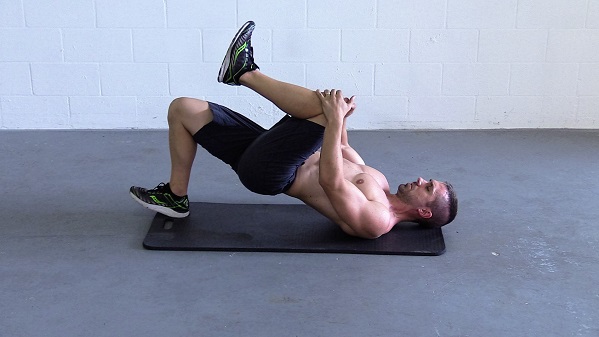
Like I just mentioned above, activation exercises are meant to strengthen the neuromuscular connections to specific muscle groups in order to restore biomechanics and optimize movement patterns. This is how this technique affects your flexibility.
When the body can use proper biomechanics, it will move more efficiently and will not be so restricted due to the inhibition of dormant or underutilized muscles.
PRIMAL RESETS: These moves might be my favorite form of exercise. These moves, that we were given to us at birth, have an order and natural flow to them that to a certain degree transfers over to where we are in our stage of life today. I’m talking about rolling, crawling, rocking, bending, twisting, climbing, walking, jumping, running….
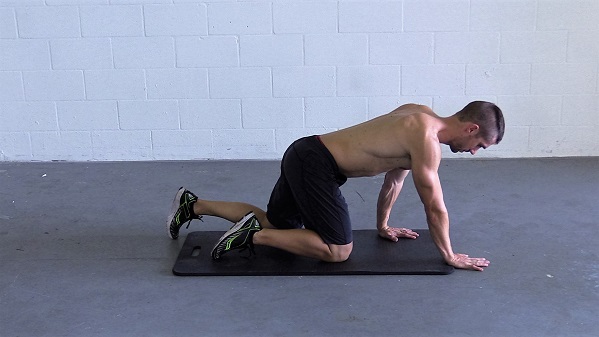
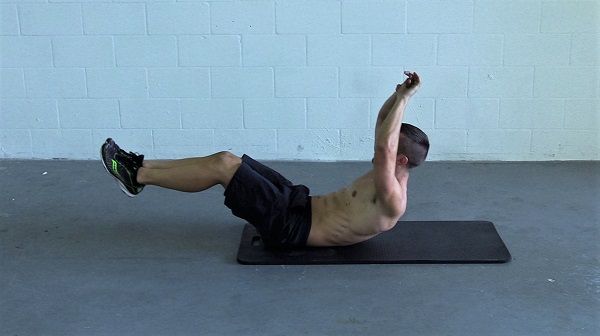
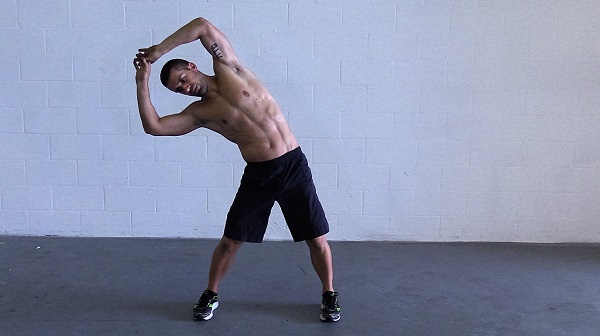
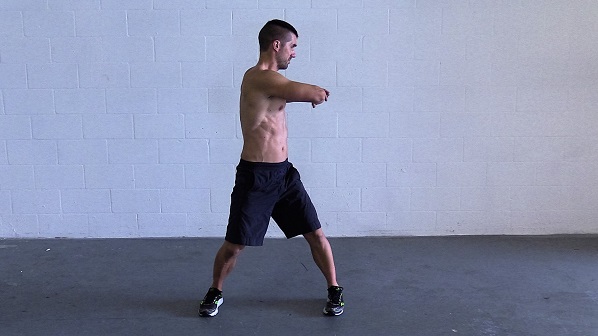
These “primitive” resets can bring us back to how we were before we became old, stiff, injured, and restricted. These moves also increase core strength, improve movement, improve flexibility, reconnect our minds to our muscles and allow us to get back to moving how we were made to move.
With all of these unique and beneficial flexibility techniques and styles there should be no reason why you shouldn’t be performing at least one method to help improve your flexibility and range of motion.
Again, stretching isn’t the cure to fixing your flexibility; it takes movement.
But the best part about ‘flexibility training’ is that it doesn’t have to be a long, boring, painful process as most still think. This is the old school mentality that needs to be undone.
Even if you put in a little effort to improve your movement by adding a more diverse flexibility and mobility pattern to your routine, you’ll see great improvements in the way you feel, the way you move, and even the way you look.
Ready to Move Better Without Wasting Time Stretching?
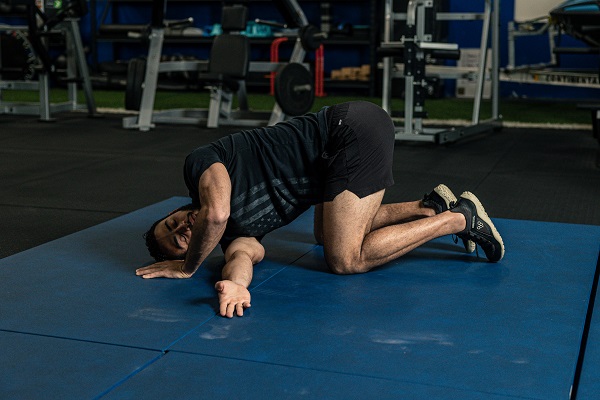
By now, you can see that improving flexibility isn’t about forcing long static stretches or grinding through painful routines. It’s about training your body to move well and using the right mobility drills, activation work, posture resets, and full-range strength patterns at the right time.
But I also understand something important…
Knowing what to do is one thing. Actually putting it into a simple, structured routine you can follow consistently is another.
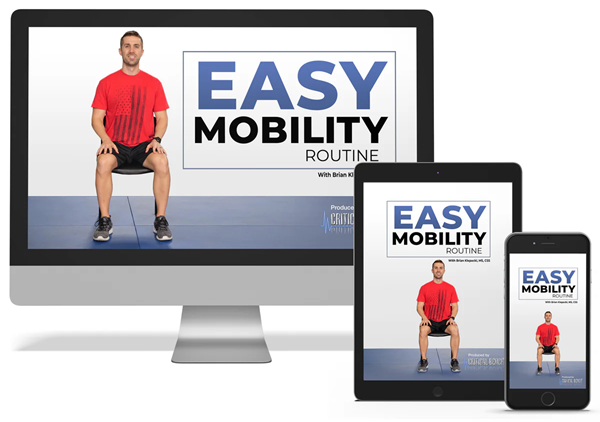
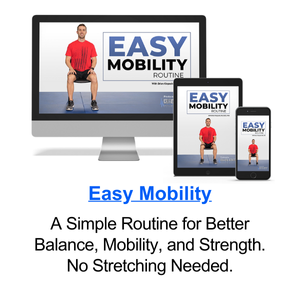
That’s exactly why I created Easy Mobility.
I designed Easy Mobility to take everything I’ve shared with you here like mobility exercises, neuromuscular activation, primal resets, intelligent sequencing and organize it into a clear, step-by-step system you can use daily.
No guesswork.
No confusion about when to stretch or what type to use.
No long, boring sessions.
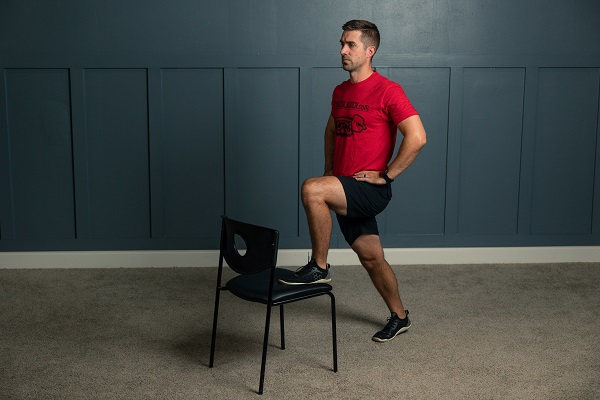
Just smart, efficient movement that helps you:
- Improve your range of motion
- Reduce stiffness and nagging aches
- Move with more freedom and control
- Support your strength training and performance
- Feel better in your body at any age
If you’re tired of feeling tight…
If stretching hasn’t delivered the results you expected…
And if you’re ready for a smarter approach to flexibility training…
I invite you to join me inside Easy Mobility and start moving the way your body was designed to move.