Getting started with strength training can feel confusing, especially when you’re surrounded by machines, cables, and endless workout options.
So let me simplify it for you.
If your goal is to build real, functional, total body strength, then barbell training should be at the foundation of your program.
Why?
Because barbell exercises, especially the compound movements you’re about to learn, train your body the way it was designed to move.
Unlike machines that lock you into fixed paths, barbells require your body to:
- Stabilize
- Balance
- Coordinate
- Produce force efficiently
And that’s where the magic happens.
Whether you’re a man or woman… 25 or 65… beginner or getting back into training…
These movements help:
- Strengthen bones and connective tissue
- Improve joint stability and resilience
- Challenge your nervous system (which drives strength gains)
- Activate supporting and stabilizing muscles that machines often ignore
When it comes to external loading, barbell training sits right at the top, alongside dumbbells and kettlebells, as one of the most effective ways to build strength that actually carries over into real life.
Now, are we all built differently? Absolutely.
That’s why technique, control, and proper progression matter more than how much weight is on the bar.
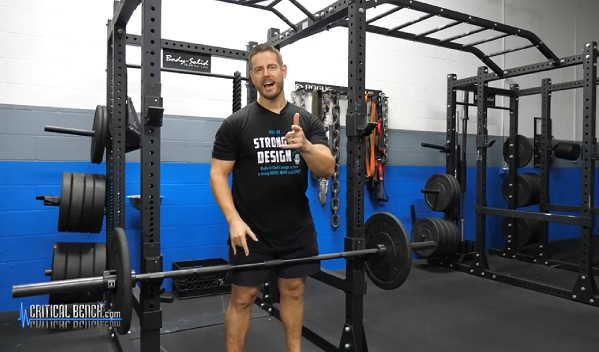
In this guide, I’m going to walk you through 13 essential barbell exercises that will help you build a strong, balanced body from the ground up, just like I’ve been teaching my clients for over 20 years.
Let’s get into it.
These are the same foundational barbell movements I’ve been teaching clients for over 20 years.
Master these, and you’ll have everything you need to build a strong, balanced body, without overcomplicating your workouts.
Let’s break them down one by one.
1. Bent Over Barbell Row
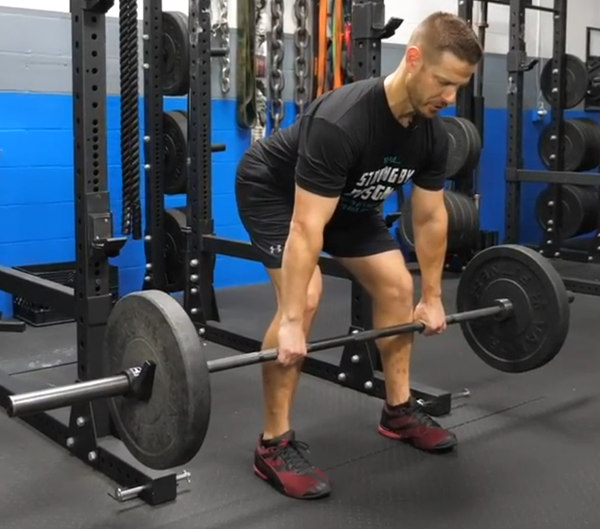
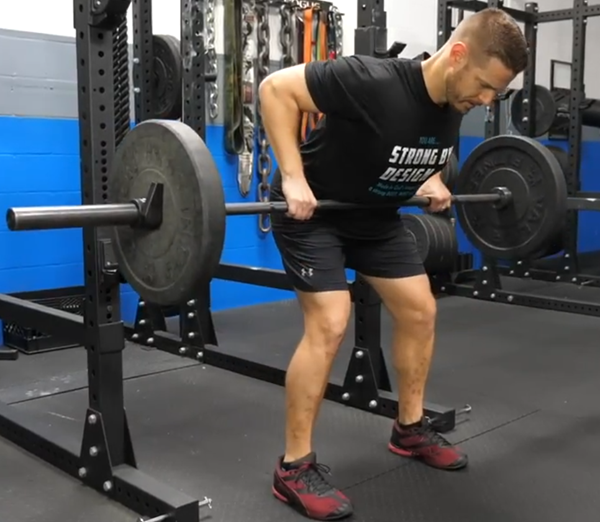
What it Works:
Rhomboids, Latissimus Dorsi, Trapezius, Posterior Deltoids and Lower back (erector spinae)
How to Do It:
- Stand with feet shoulder-width apart
- Hinge forward at the hips
- Keep your back flat and chest up
- Pull the bar toward your lower ribs
- Lower under control
Coaching Cues:
- “Chest proud. Don’t round forward”
- “Pull with your elbows, not your hands”
- “Control the negative every rep”
Common Mistakes:
- Rounding the lower back
- Using momentum
- Standing too upright
Beginner Tip:
If your lower back feels it more than your upper back, lighten the weight and tighten your core.
2. Overhead Barbell Press
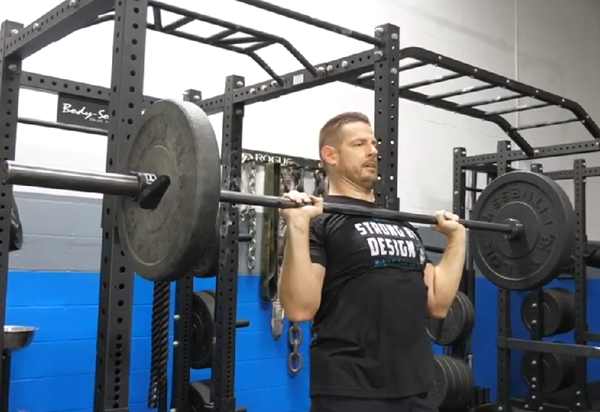
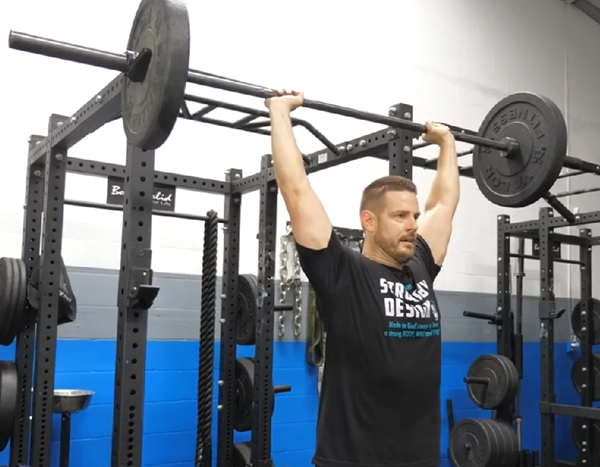
What it Works:
Anterior and Medial Deltoids, Upper Pectorals, Triceps Brachii (as well as secondary muscles Trapezius, Rotator Cuff and Serratus Anterior)
How to Do It:
- Grip the bar just outside shoulder width
- Start at upper chest
- Press straight overhead
- Lock out arms fully
- Lower slowly
Coaching Cues:
- “Squeeze your glutes to protect your back”
- “Keep the bar close to your face”
- “Head comes through at the top”
Common Mistakes:
- Leaning back too much
- Letting the bar drift forward
- Incomplete lockout
Beginner Tip:
Start light; this lift is more about control and stability than brute strength.
3. Barbell Squat
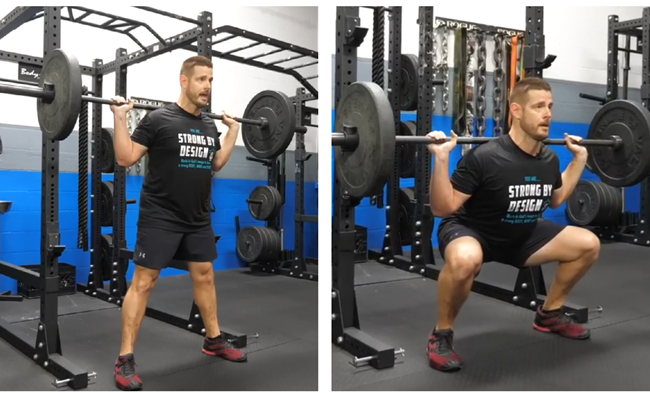
What it Works:
Quadriceps, Gluteus Maximus, Hamstrings
How to Do It:
- Place bar across upper back
- Feet shoulder-width apart
- Sit back and down
- Drive through heels to stand
Coaching Cues:
- “Chest up, knees out”
- “Sit back, not straight down”
- “Drive the floor away”
Common Mistakes:
- Knees collapsing inward
- Heels lifting
- Rounding the lower back
Beginner Tip:
Only go as low as you can with good form, depth improves over time.
4. Deadlift
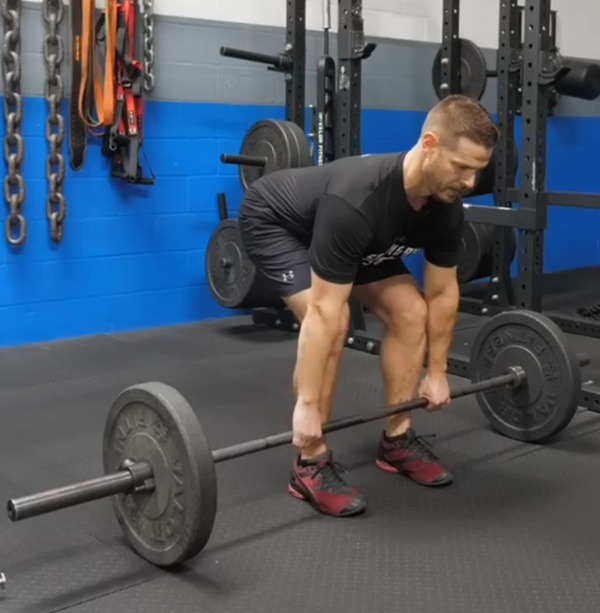
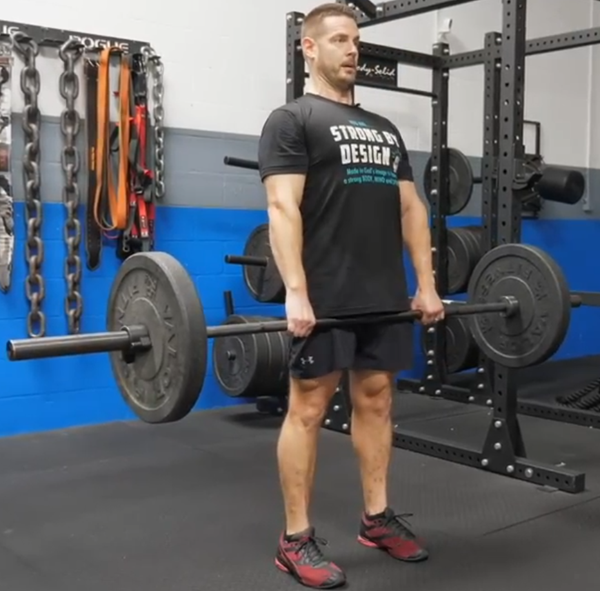
What it Works:
Hamstrings, Glutes, Lower back (erector spinae)
How to Do It:
- Stand with feet hip-width apart
- Grip the bar just outside your legs
- Keep your back flat
- Push through the floor to stand
- Hips forward at the top
Coaching Cues:
- “Push the ground away”
- “Bar stays close to your body”
- “Stand tall, don’t lean back”
Common Mistakes:
- Rounding the back
- Pulling with arms
- Letting bar drift forward
Beginner Tip:
Think of this as a leg exercise first, not just a back movement.
5. Barbell Shrug
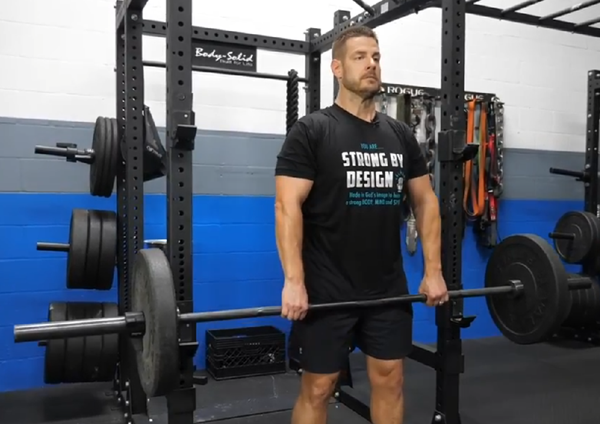
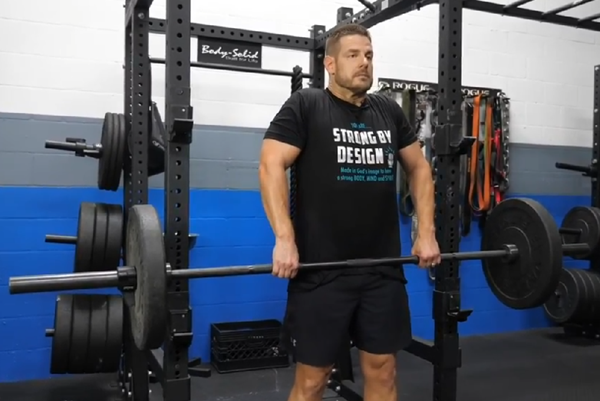
What It Works:
Upper traps
How to Do It:
- Stand tall holding the bar at your thighs
- Lift your shoulders straight up
- Pause briefly at the top
- Lower slowly
Coaching Cues:
- “Up and down.. not rolling”
- “Think ears to shoulders”
- “Pause and squeeze”
Common Mistakes:
- Rolling shoulders
- Using momentum
- Bending arms
Beginner Tip:
Less weight, more control. You should feel the squeeze at the top.
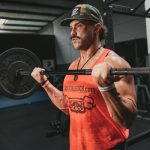
6. Barbell Curl
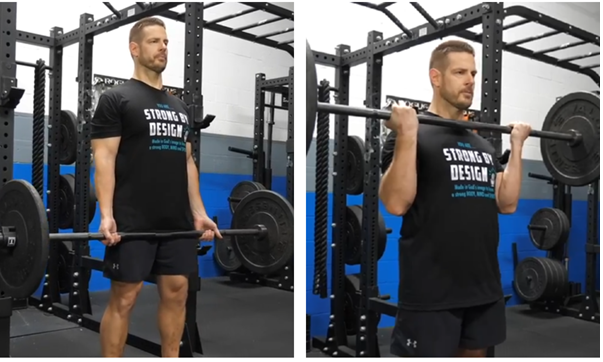
What It Works:
Biceps
How to Do It:
- Stand tall with bar at thighs
- Keep elbows close to your sides
- Curl the bar up toward your shoulders
- Lower slowly
Coaching Cues:
- “Don’t swing. Stay strict”
- “Elbows stay pinned”
- “Squeeze at the top”
Common Mistakes:
- Using momentum
- Leaning back
- Letting elbows drift forward
Beginner Tip:
If you have to swing the weight, it’s too heavy.
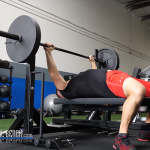
7. Barbell Bench Press
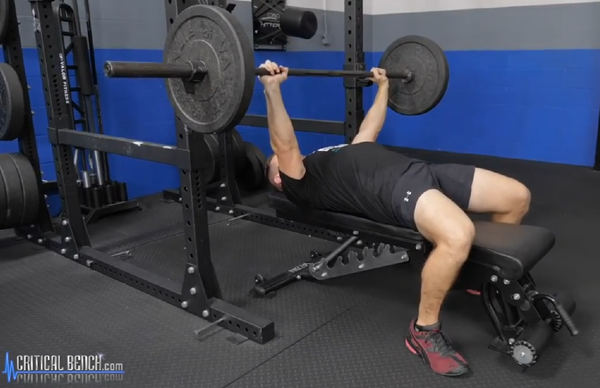
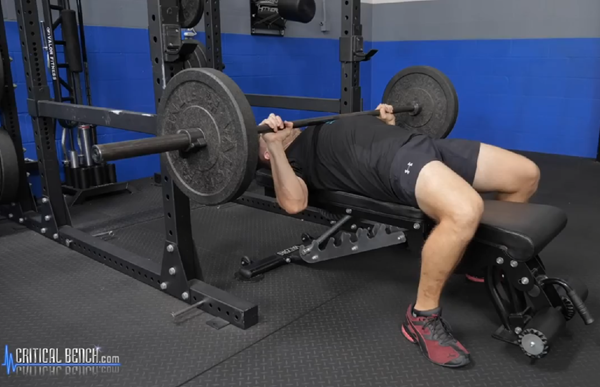
What it Works:
Triceps, chest, shoulders
How to Do It:
- Lie flat on a bench
- Grip slightly wider than shoulders
- Lower bar to mid-chest
- Press back up to lockout
Coaching Cues:
- “Feet planted. Drive through them”
- “Control the descent”
- “Don’t bounce the bar”
Common Mistakes:
- Elbows flaring too wide
- Bouncing off chest
- Lifting hips off bench
Beginner Tip:
Start with lighter weight and master control before adding load.
8. Close Grip Barbell Press
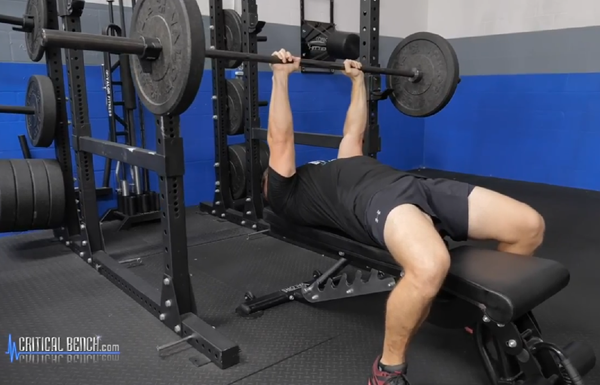
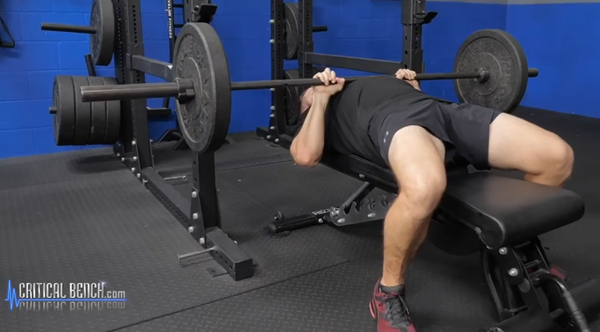
What It Works:
Triceps, chest, shoulders
How to Do It:
- Lie on a bench and grip the bar just inside shoulder width
- Lower the bar to your chest
- Keep elbows close to your body
- Press back up to full lockout
Coaching Cues:
- “Elbows stay tucked, not flared”
- “Control it down, explode up”
- “Feel the triceps doing the work”
Common Mistakes:
- Grip too narrow (wrist strain)
- Elbows flaring out
- Bouncing the bar
Beginner Tip:
This is a triceps-focused press. Go lighter than your regular bench.
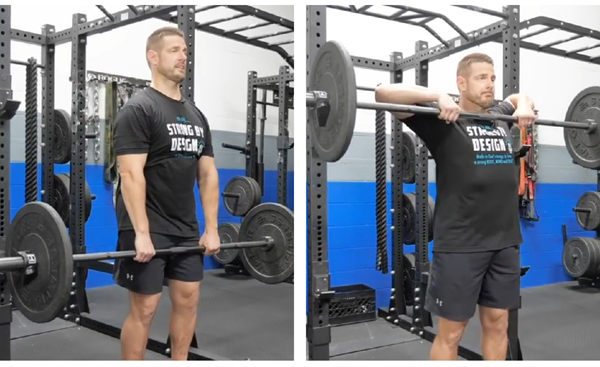
9. Barbell Upright Row
What It Works:
Shoulders, traps
How to Do It:
- Hold bar with narrow grip
- Pull the bar straight up along your body
- Elbows lead the movement
- Lower under control
Coaching Cues:
- “Lead with your elbows”
- “Keep the bar close”
- “Stop at chest height”
Common Mistakes:
- Pulling too high (shoulder strain)
- Using momentum
- Letting bar drift away
Beginner Tip:
If you feel shoulder discomfort, widen your grip slightly.
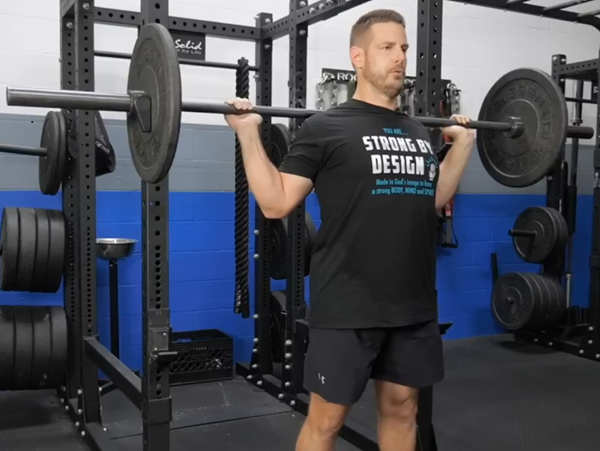
10. Barbell Good Morning
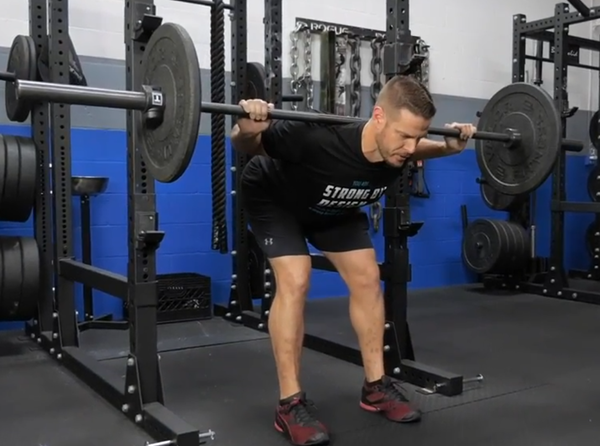
What It Works:
Hamstrings, glutes, lower back
How to Do It:
- Place bar on upper back
- Slight bend in knees
- Hinge forward at hips
- Return to standing
Coaching Cues:
- “Push your hips back”
- “Keep your back flat”
- “Stretch the hamstrings, not your lower back”
Common Mistakes:
- Rounding the spine
- Bending too much at the knees
- Going too low
Beginner Tip:
Start extremely light. This is about learning the hinge pattern.
11. Barbell Lunge
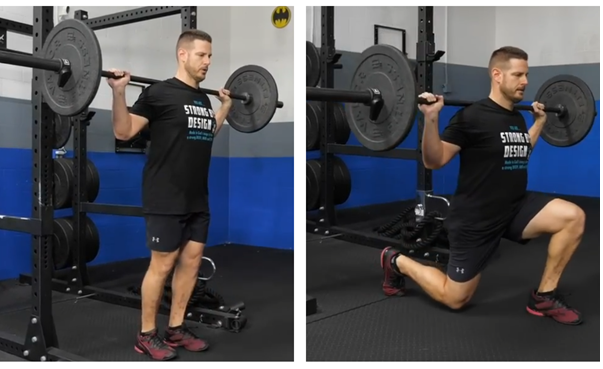
What It Works:
Quads, glutes, balance
How to Do It:
- Place bar on upper back
- Step forward into a lunge
- Lower until both knees are bent
- Push back to start
Coaching Cues:
- “Step long enough to stay balanced”
- “Front heel stays planted”
- “Stay tall through your torso”
Common Mistakes:
- Short steps
- Front knee collapsing inward
- Losing balance
Beginner Tip:
Start with bodyweight or very light load until your balance improves.
12. Barbell Step-Up
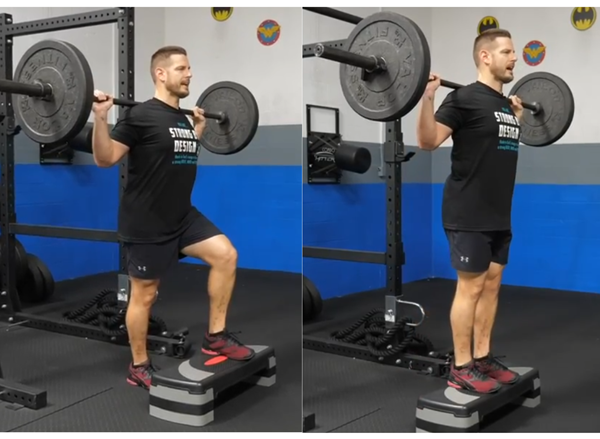
What It Works:
Glutes, quads
How to Do It:
- Place one foot on a bench or box
- Drive through that foot to step up
- Bring the other foot up
- Step down under control
Coaching Cues:
- “Drive through your heel”
- “Control the way down”
- “No pushing off the back foot”
Common Mistakes:
- Using momentum
- Pushing off trailing leg
- Losing balance
Beginner Tip:
Lower box height makes this much more manageable early on.
13. Barbell Arm Extension (Skullcrusher Style)
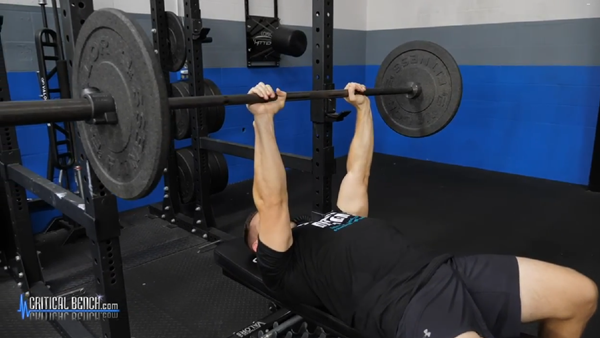
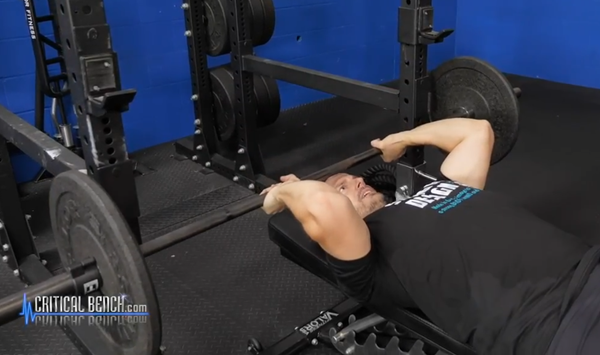
What It Works:
Triceps
How to Do It:
- Lie on a bench holding the bar above you
- Bend at the elbows to lower the bar toward your forehead
- Extend arms back to start
Coaching Cues:
- “Only your elbows move”
- “Keep upper arms still”
- “Control every rep”
Common Mistakes:
- Moving shoulders instead of elbows
- Dropping the weight too fast
- Flaring elbows
Beginner Tip:
Start very light. This movement requires control and joint awareness.
BARBELL WORKOUT 🏋️♂️ for Beginners | 13 Essential Exercises for Total Body Training
Now that you’ve seen all 13 essential barbell exercises, you can probably start to see the bigger picture…
You don’t need dozens of machines or complicated routines to get stronger.
You just need the right movements, and the consistency to practice them.
If you stay consistent with these foundational lifts, you’ll build more than just muscle.
You’ll build:
- Strength that carries over into everyday life
- More resilient joints and connective tissue
- Better balance, coordination, and control
- Confidence every time you step into the gym
And most importantly, you’ll build a body that’s designed to last.
Because real training isn’t about chasing quick results…
It’s about developing strength that holds up for years.
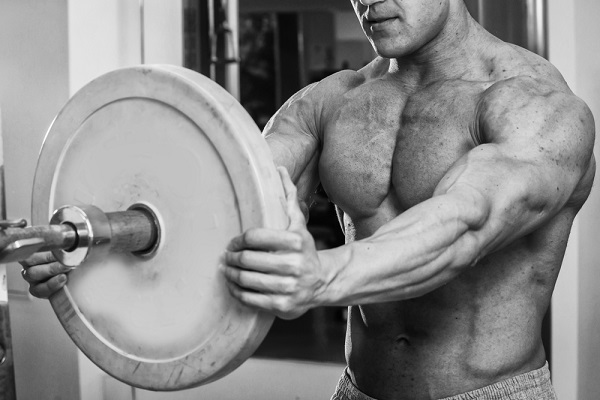
If you stay consistent with these 13 exercises, you’ll build a strong foundation that carries over into everything you do… inside and outside the gym.
You don’t need fancy equipment.
You don’t need complicated programs.
You just need:
- Good form
- Smart progression
- Consistency
Master these basics, and strength will follow.
Now, there’s one piece of the equation that often gets overlooked, especially for men.
As you get older, maintaining strength, energy, recovery, and lean muscle becomes more challenging.
Not because you’re doing anything wrong…
But because your testosterone levels naturally decline over time.
And that directly impacts:
- Muscle growth
- Recovery
- Energy levels
- Fat loss
That’s why combining smart training like this with proper nutritional support can make a real difference.
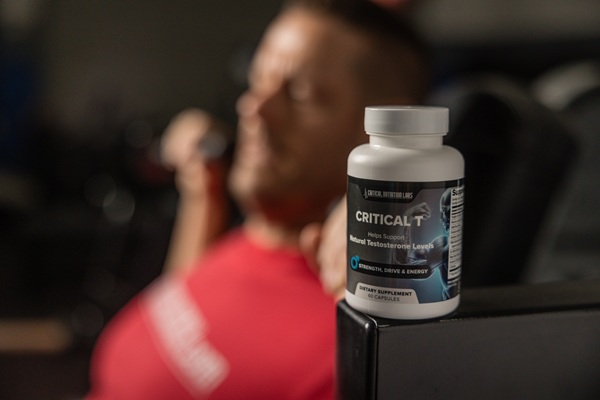
If you’re serious about getting stronger, recovering better, and supporting healthy testosterone levels naturally…
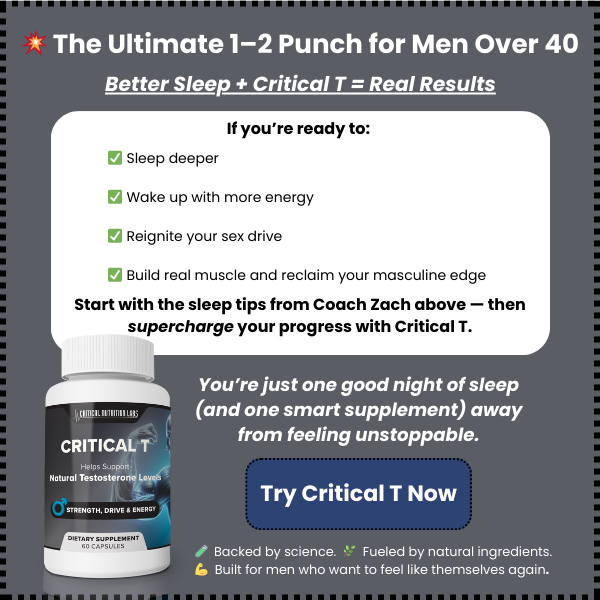
That’s exactly why we created Critical T.
It’s designed to:
- Support natural testosterone production
- Improve energy and performance
- Help you get more out of the work you’re already putting in
Because training hard is only part of the equation…
Supporting your body to respond to that training is what takes things to the next level.